
Capital-Efficient Development Through Disciplined Execution
REM Capital Partners supports development strategies that prioritize speed, predictability, and capital efficiency in markets where traditional construction methods introduce unnecessary risk.
By partnering with experienced development teams and leveraging modern construction methodologies, REM Capital Partners helps reduce execution risk while improving return visibility for investors.
Why Development Requires a Different Risk Lens
Development returns are driven not only by market fundamentals, but by:
Traditional stick-built construction often introduces volatility through weather delays, labor shortages, material price swings, and extended interest carry.
REM Capital Partners evaluates development opportunities with these risks front and center.

Modular Construction as a Strategic Advantage
In select markets, REM Capital Partners supports development strategies that utilize modular construction to mitigate many of the traditional risks associated with ground-up projects.
Key Advantages
25–50% faster delivery timelines.
Reduced labor and weather exposure.
Greater cost certainty through factory pricing.
Shorter construction periods, reducing capitalized interest.
Earlier lease-up and stabilization.
Faster delivery translates directly into improved project IRR and reduced risk across the capital stack.

Why This Matters for Investors
Capital efficiency and predictability are critical in development underwriting.
Modular construction allows:
By compressing timelines and limiting cost overruns, this approach protects invested capital while improving the probability of achieving projected returns.
Our Development Partnerships
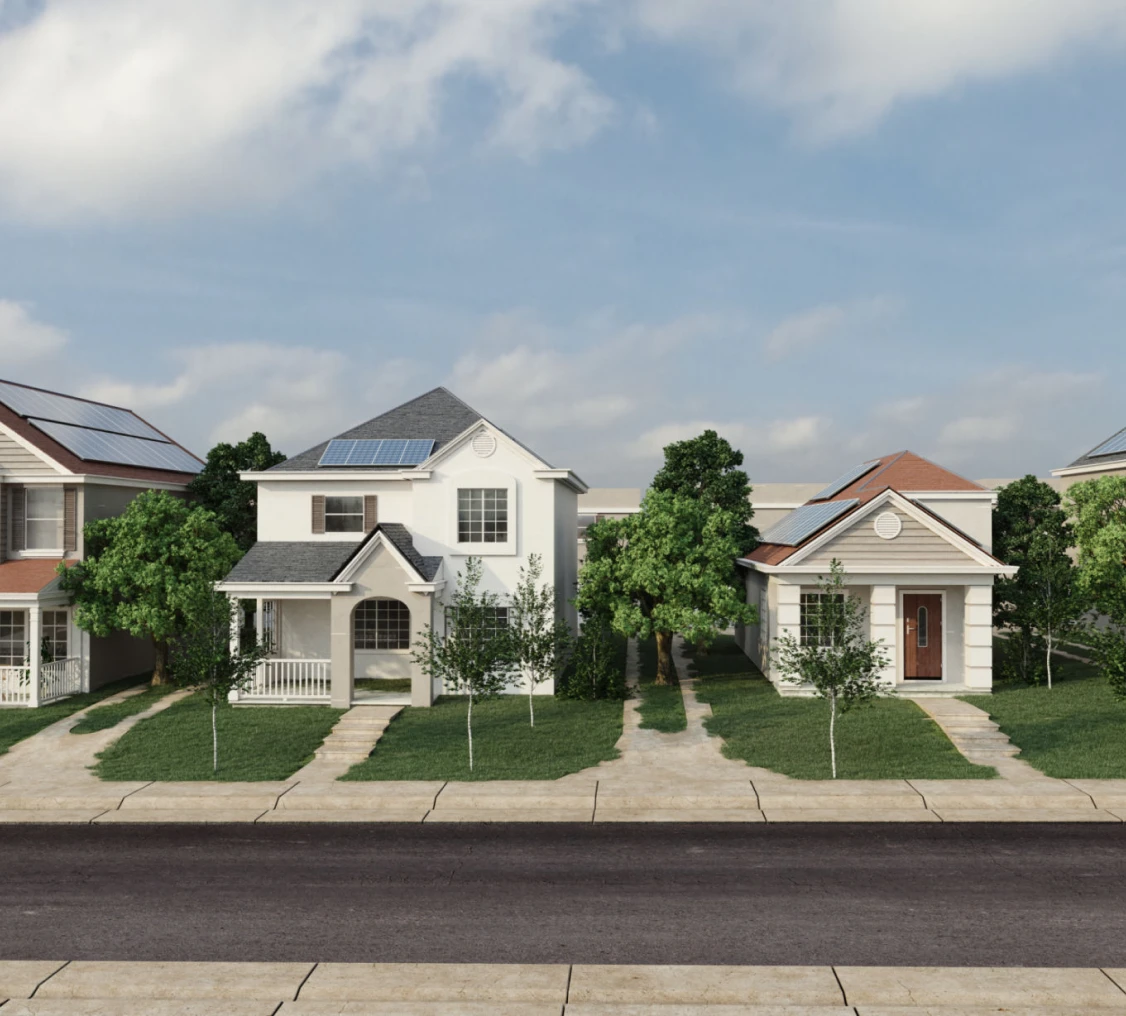
REM Capital Partners collaborates with experienced development teams that specialize in scalable, repeatable housing solutions—including budget-friendly and workforce housing—where demand fundamentals and execution discipline align.
One such partnership includes Adam Berger Development, which focuses on cost-efficient development methodologies designed to address housing shortages while maintaining investment discipline.